

High-interest credit card debt slowly chips away at financial progress. While investing often steals the spotlight, many veteran investors argue that eliminating expensive debt should come first. Warren Buffett has made that case clearly, and the math behind it leaves little room for debate.
Buffett once responded to a question about an 18% credit card balance with a blunt assessment:
“A guaranteed 18 percent return is going to be way better than any investment idea I’ve got.”
That insight reflects a basic reality. Paying off high-interest debt guarantees a return. There’s no volatility, no delay, and no tax implications. Each payment immediately lowers future interest obligations.
Mark Cuban’s Straightforward Take on Wealth
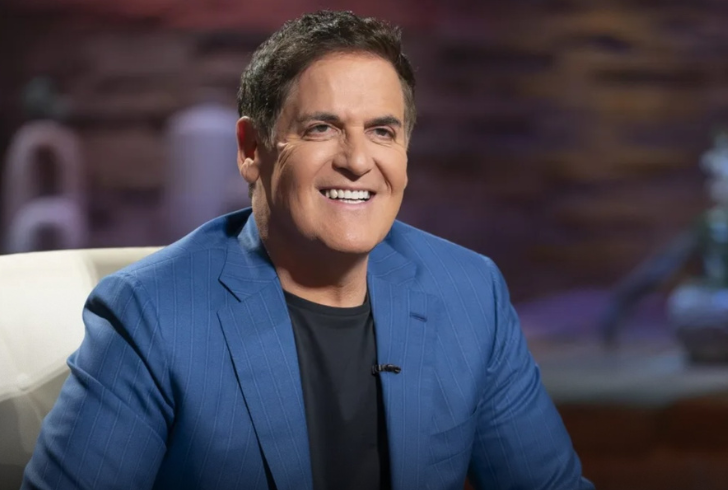
Mark Cuban shares a similar view. In a discussion with Dave Ramsey, he explained that his advice often surprises people.
When asked where to put their money first, Mark Cuban doesn’t hesitate: eliminate credit card debt. If a card carries a 15% or 20% interest rate, paying it off yields an immediate return. In Cuban’s view, trying to build wealth while holding high-interest balances just adds friction to financial progress.
He also highlights the importance of discipline. Interest rates aren’t abstract—they’re fixed costs. Ignoring them erodes financial stability and undermines good habits.
Comparing Credit Cards to the Stock Market
Over the past two decades, the S&P 500 has returned roughly 9–11% annually. Paying off a 15% interest card saves $150 instantly, versus $110 from investing. Taxes reduce investment returns, further favoring debt repayment.
Debt repayment provides higher returns with no risk.
When Debt Priorities Should Shift
Some debts can coexist with investing. Mortgages at moderate rates fall into this category. Credit cards near 18% do not—they need immediate focus.
After balances are cleared, money can work for growth instead of servicing debt. Some people remove cards entirely; others restrict usage.
Responsible Credit Card Use and Discipline
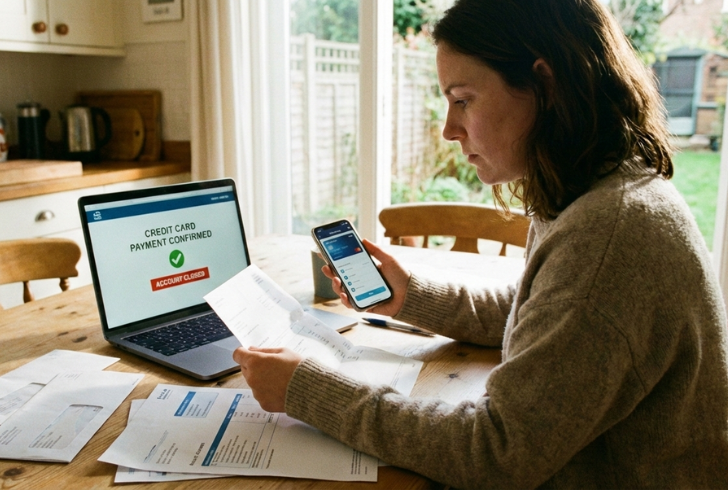
Disciplined users pay balances monthly, avoiding interest. Cards then serve as tools rather than liabilities.
Others reserve cards for unavoidable purchases and pay balances immediately, keeping costs predictable.
Credit Cards in Business Settings
Entrepreneurs may use cards to fund inventory or short-term operational expenses. In this context, the card acts as temporary financing, not personal spending.
Intent is crucial: purchases support revenue generation. The risk is deliberate, similar to using investor funds or a small business loan.
Spending Less as a Long-Term Advantage
One simple rule applies: building wealth often starts with spending less. Borrowed purchases reduce predictability and increase stress, whereas disciplined spending preserves control.
Paying down high-interest credit card debt delivers a fixed return, improves monthly cash flow, and creates room for future investments to work properly. Warren Buffett and Mark Cuban agree on this point for one reason: the outcome is certain.
Clearing those balances strengthens financial footing and builds confidence before money moves elsewhere.